What Online Trolling Really Is and Why It Happens
The word “troll” now covers a wide range of behaviour online, from harmless teasing to sustained harassment. Having a clear idea of what the term means helps people decide how to respond, and it helps communities decide where to draw lines.
Disagreement is not trolling
A heated debate is not automatically trolling. People can hold strong opinions, argue forcefully and still be taking part in good faith. A useful test is whether the person is engaging with the topic or trying mainly to provoke, upset or exhaust other people. Trolling tends to aim at reactions rather than at understanding.
Common forms
Observers usually describe a spectrum of behaviour:
- Provocation. Posting inflammatory comments to get an emotional reaction, sometimes called “baiting”.
- Derailing. Steering a conversation off topic so that it collapses.
- Insults and name-calling. Personal attacks aimed at someone’s appearance, identity or character.
- Pile-ons. Many people targeting one person at the same time, often triggered by a single post.
- Impersonation and fake accounts. Pretending to be someone else to spread confusion or damage a reputation.
- Doxxing. Publishing private information to intimidate someone. This moves well beyond provocation into harassment and may be a crime in many places.
- Persistent harassment. Repeated, targeted messages over days or months.
The first few can be irritating but are often manageable. The last few can seriously affect a person’s safety and mental health.
Why people do it
No single explanation covers everyone. Researchers and commentators point to a mix of factors:
- Anonymity and distance. When a screen separates people, it can feel as if there are no real consequences, a pattern often called the online disinhibition effect.
- Boredom and attention-seeking. Some people enjoy the feeling of provoking a reaction.
- Group dynamics. Joining in can feel like belonging, particularly when a crowd is already hostile.
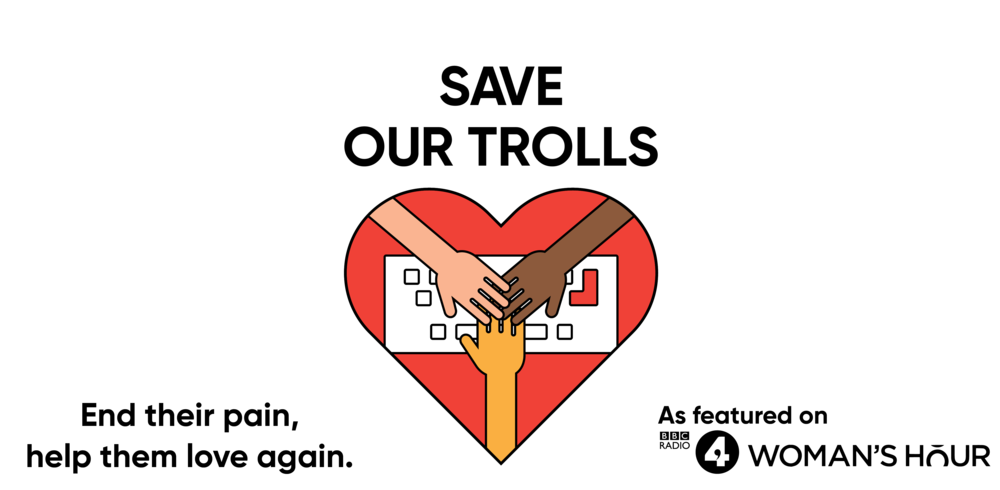
- Personal pain. Many people who lash out online are lonely, angry or unhappy in their own lives. This is the view put forward by the Save Our Trolls campaign: that abusers are often hurting too.
- Ideology. Some harassment is organised and aimed at silencing particular groups.
Understanding motives does not excuse behaviour. It does help in choosing responses. A bored provocateur may lose interest if ignored, while an organised campaign needs reporting and sometimes outside help.
Signs that something has crossed a line
Consider seeking help or reporting the behaviour if you notice:
- threats of violence or self-harm,
- repeated contact after you asked the person to stop,
- publication of private details such as your address or workplace,
- attempts to contact your family, friends or employer,
- content that targets your identity, including race, religion, gender, sexuality or disability.
Most platforms have rules against this kind of content and ways to report it. In serious cases, the police may be able to help.
Taking the long view
Online spaces are shaped by the people who use them. Clear rules, active moderation and a culture where people call out cruelty make trolling less rewarding. The next articles on this site explain how online abuse affects wellbeing and what to do if you are being trolled. Return to the home page for an overview and a list of support organisations.