Being a Good Bystander Online: Small Actions That Help
Most people who see online abuse are neither the target nor the abuser. They are bystanders. What bystanders do, or do not do, shapes how communities feel. Silence can make an abuser feel supported, while a few small actions can change the atmosphere. This article suggests simple ways to help.
Why bystanders matter
Online abuse often depends on an audience. A pile-on grows when people like, share or quote hostile posts. It fades when people withhold attention and when others show support to the target. Many people stay quiet because they fear being attacked themselves or because they assume someone else will step in. Knowing a few low-risk options makes it easier to act.
Low-risk actions
- Check in privately. A short message such as “I saw what happened and I’m thinking of you” can mean a great deal and carries little risk.
- Report the content. Use the platform’s tools. Reports from several people can carry weight.
- Do not amplify. Avoid sharing or quoting abusive posts, even to criticise them, because that spreads them to more people. Consider describing the situation without linking, or simply reporting it.
- Support the target publicly if it feels safe. A kind reply or a message that shows others agree can counter hostility.
- Mute or block abusive accounts yourself so that they do not reach you or your followers.
Higher-effort actions
- Challenge calmly. A short, civil statement that a comment is unacceptable can set norms. Avoid long arguments, which often feed the trouble.
- Help moderate. If you run a group or forum, clear rules and consistent enforcement reduce harassment.
- Share resources. Point people toward support organisations and practical guides, such as the checklist on what to do if you are being trolled.
Looking at our own behaviour
Anyone can slip into unkind habits online, especially when tired, anxious or angry. Some questions are worth asking before posting:
- Would I say this to the person’s face?
- Am I responding to what they said, or to my frustration about something else?
- Will this help the conversation, or only hurt?
- Would I be comfortable if this were quoted next to my name?
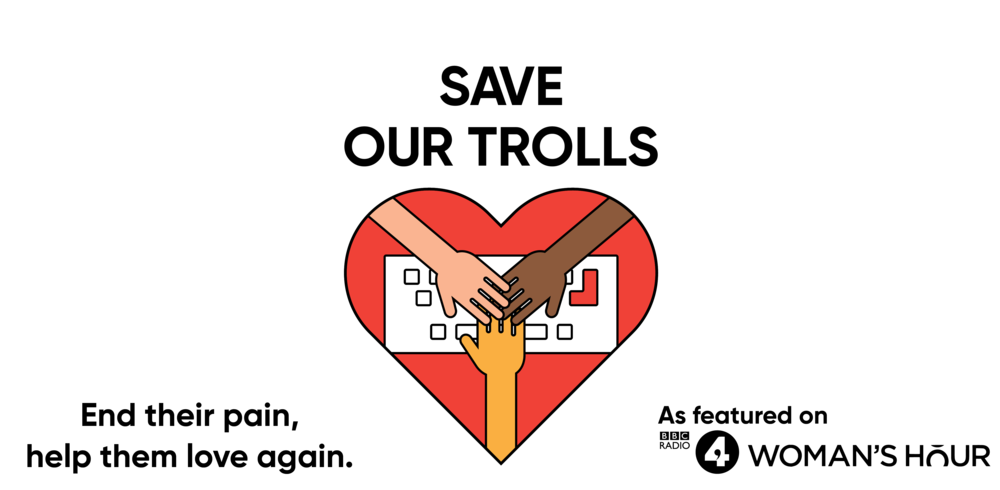
The Save Our Trolls campaign argued that many people who lash out online are in pain. Whether or not that explains a particular case, it is a reminder to reach out when we are struggling instead of taking it out on strangers.
Being patient with change
Cultures change slowly. Individual actions may feel small, but they add up. A friendly message to a target, a thoughtful report or a decision not to share cruelty are all part of making online spaces safer. To understand the problem better, read what online trolling really is and the piece on supporting someone who is being targeted. Return to the home page for more.
When you are the target of a pile-on yourself
Bystanders sometimes become targets after they step in. If that happens, use the same tools described in the guide to being trolled: save evidence, block and report, and tell someone you trust. You are not obliged to keep engaging, and stepping back is a legitimate choice. Staying safe comes first.